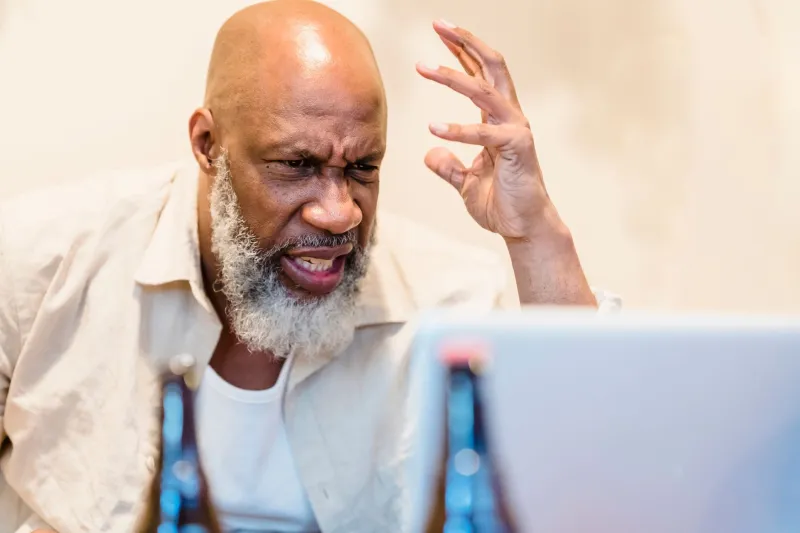
Digging Through Dead Threads: The Obsessive Researchers Treating Old Forums Like Archaeological Sites
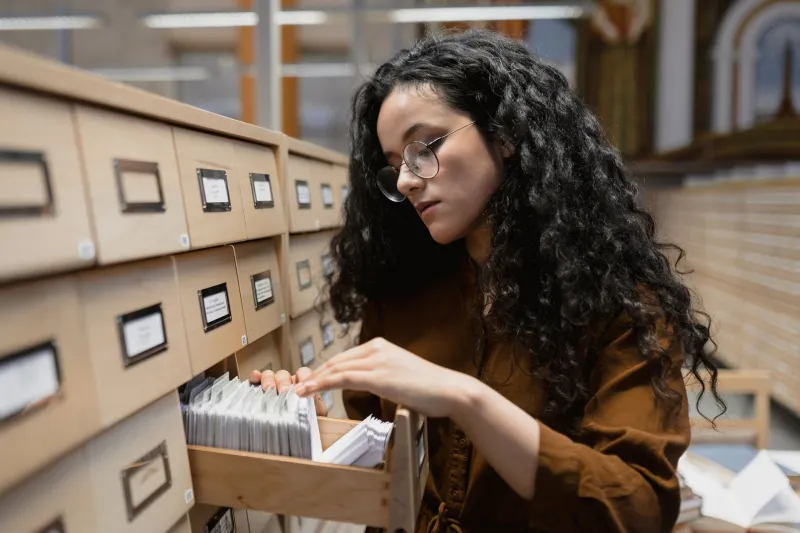
Somewhere out there, a person is spending their Saturday night reading a 2003 thread about dial-up internet etiquette. Not ironically. Not for laughs. They're taking notes.
This is the world of forum archaeology — a loose but passionate movement of researchers, hobbyists, linguists, and digital culture obsessives who have started treating old message boards the way field researchers treat primary sources. They're cataloging, cross-referencing, and analyzing tens of thousands of threads to answer a surprisingly serious question: how did we actually learn to talk to each other online?
And honestly? What they're finding is kind of fascinating.
Who Are These People?
The community doing this work doesn't have a single name or a formal institution behind it. You'll find them scattered across — naturally — their own forums, Discord servers, and academic mailing lists. Some are graduate students in linguistics or communication studies. Others are just deeply curious people who stumbled into a rabbit hole and never came out.
What they share is a conviction that old forum threads aren't just nostalgia bait. They're documents. They're data. They're a record of how millions of Americans (and people worldwide) were figuring out, in real time, how to exist as social beings in a brand-new kind of space.
"People think of old forums as embarrassing relics," one researcher who goes by the handle Threadwright on several preservation-focused boards wrote in a post that circulated widely in these circles last year. "But they're actually the closest thing we have to a time capsule of how internet identity got built from scratch."
Hard to argue with that.
What the Threads Actually Reveal
One of the more striking findings coming out of this work involves language drift — the way certain phrases, punctuation habits, and rhetorical styles spread through forum communities before eventually jumping into mainstream digital communication.
Researchers have traced the early spread of things like the sarcastic "thanks for nothing" sign-off, the passive-aggressive ellipsis, and even early versions of what we now call "ratio" culture (when a reply gets more engagement than the original post) back to specific forum communities years before those patterns showed up on Twitter or Reddit.
Linguistics-focused researchers are especially interested in how forum norms around formality shifted over time. Early boards from the late '90s and early 2000s tended to have surprisingly formal posting cultures — long paragraphs, careful punctuation, almost letter-like structures. That changed fast. Tracking when it changed, and which communities drove the shift toward shorter, punchier, more fragmented posts, turns out to tell you a lot about which platforms were setting the cultural agenda at any given moment.
There's also fascinating work being done on how conflict evolved. Early forum fights look almost quaint by modern standards — wordy, structured, almost debate-club-like. The rise of the one-liner clap-back, the screenshot dunk, the pile-on — these weren't inevitable. They developed in specific communities, for specific reasons, and spread outward. Knowing that history changes how you think about online toxicity today.
The Preservation Problem
Here's where things get urgent, and where the forum archaeology community gets genuinely anxious: a huge percentage of this material is disappearing.
Forum platforms shut down. Hosting lapses. Databases get wiped. The Wayback Machine catches some of it, but not all — and even archived pages are often missing images, attachments, or reply chains that gave threads their full context. Researchers estimate that for every forum thread that gets preserved in any usable form, dozens more vanish completely.
There are active efforts to combat this. Groups coordinate mass archiving pushes when they hear a platform is shutting down. Individual members have built custom scrapers to pull thread data before the lights go out. Some are working with university libraries to get forum archives treated with the same seriousness as newspaper morgues or oral history collections.
It's a race, and they're not always winning.
"Every time a major forum platform announces it's closing, it's like watching a library burn," one preservation-focused community member wrote on a thread discussing a recent platform shutdown. "Except most people don't even notice."
What This Means for Active Communities Right Now
If you're running or participating in an active forum community — the kind that's been going for years, maybe decades — there's something genuinely worth sitting with here.
Your threads are primary sources. The arguments your members had about community rules in 2015, the inside jokes that evolved into recurring memes, the way your regulars developed their own shorthand — all of that is cultural data. It's a record of how a group of people built something together, in language, over time.
That's not nothing. That's actually kind of remarkable.
Some of the researchers in this space are starting to reach out directly to long-running forum communities, asking admins to participate in archiving efforts or to share data for academic study. The response has been mixed — some admins are enthusiastic, others are protective of their members' privacy, which is a completely legitimate concern. But the conversation is happening.
The Bigger Picture
What the forum archaeologists are ultimately building is an argument — that message boards and discussion platforms weren't just a waystation on the road to social media. They were the place where internet culture actually got made.
The norms, the language patterns, the community structures, the conflict rituals, the in-group signaling — all of it has roots in forum culture. Social media didn't invent any of it. It inherited it, compressed it, and in some cases degraded it.
Understanding where those patterns came from matters. It matters for researchers trying to understand online radicalization. It matters for linguists tracking how language changes in networked environments. It matters for platform designers thinking about what actually makes online communities function well versus fall apart.
And maybe it matters a little for the rest of us too — as a reminder that the communities we're part of right now are making their own history, thread by thread, post by post.
Somebody, someday, might be reading your old posts with the same careful attention that Threadwright brings to a 2003 dial-up forum. Weird thought. But not a bad one.
Treat your threads accordingly.